
1 Enoch 6-8: the descent of the Watchers and their teachings
1 Enoch 6-8 · Book of the Watchers
Ἑνώχ
This edition presents the verbatim Greek (Ancient) text of the passage beside a fresh English rendering and a critical apparatus. It is a provisional scholarly draft, released openly for correction and not yet reviewed by a credentialed editor.
The apparatus carries a running commentary, notes on the controlled vocabulary and the rendering chosen for each term, any doctrinally-live ambiguity preserved with both readings, and cross-references to the lexicon. The original-language text is reproduced verbatim from the digital source credited in the provenance line of this page; any modern English translation still under copyright is cited as a comparand only.
[Pan.] (6:8) οὗτοί εἰσιν αὐτῶν οἱ δεκα[δ]άρχαι.
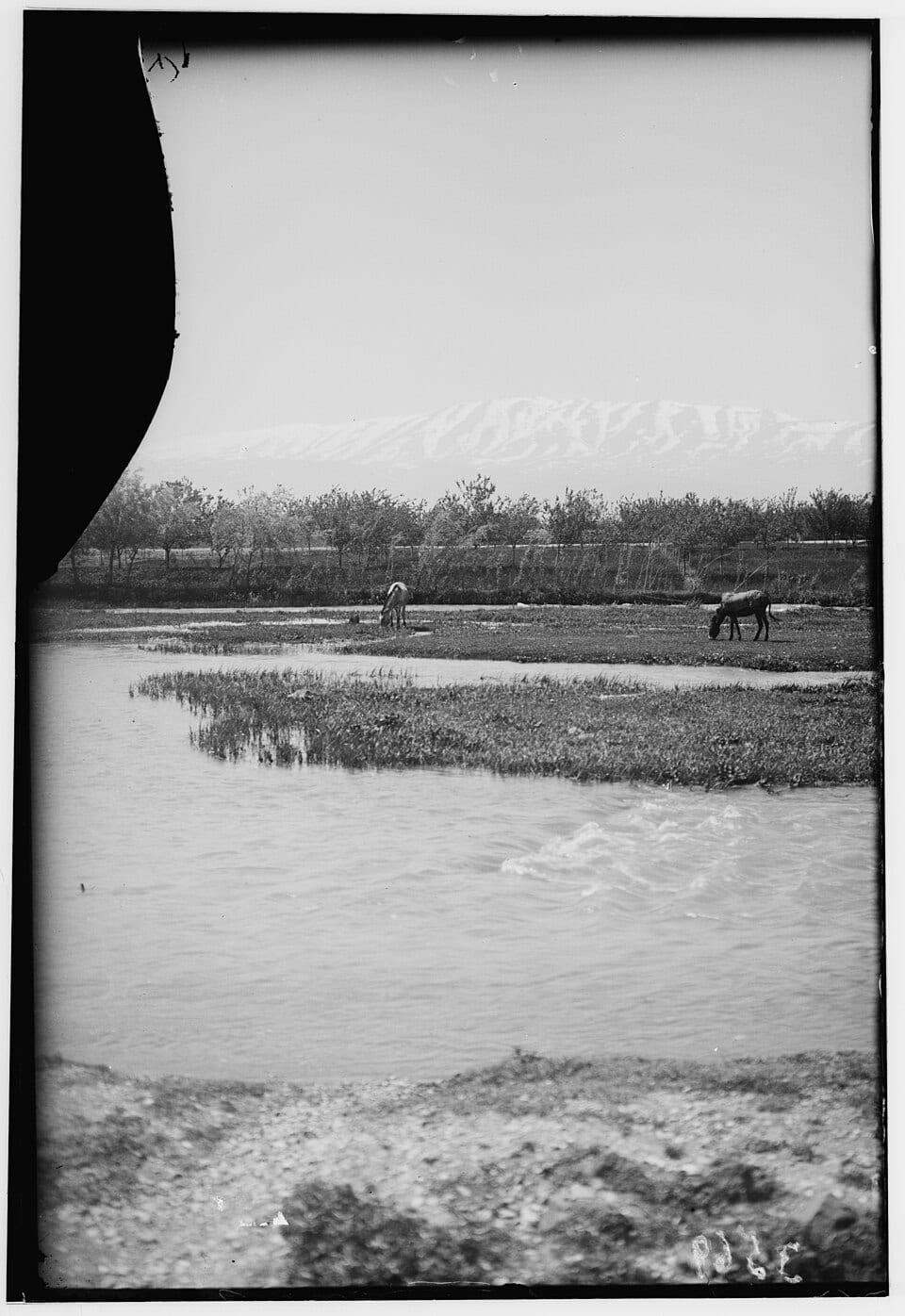
[Sync.] (6:1) καὶ ἐγένετο ὅτε ἐπληθύνθησαν οἱ υἱοὶ τῶν ἀνθρώπων, ἐγεννήθησαν αὐτοῖς θυγατέρες ὡραῖαι. (6:2) καὶ ἐπεθύμησαν αὐτὰς οἱ ἐγρήγοροι καὶ ἀπεπλανήθησαν ὀπίσω αὐτῶν, καὶ εἶπον πρὸς ἀλλήλους, ἐκλεξώμεθα ἑαυτοῖς γυναῖκας ἀπὸ τῶν θυγατέρων τῶν ἀνθρώπων τῆς γῆς. (6:3) καὶ εἶπε Σεμιαζᾶς ὁ ἄρχων αὐτῶν πρὸς αὐτούς, φοβοῦμαι μὴ οὐ θελήσητε ποιῆσαι τὸ πρᾶγμα τοῦτο, καὶ ἔσομαι ἐγὼ μόνος ὀφειλέτης ἁμαρτίας μεγάλης. (6:4) καὶ ἀπεκρίθησαν αὐτῷ πάντες καὶ εἶπον, ὀμόσωμεν ἅπαντες ὅρκῳ καὶ ἀναθεματίσωμεν ἀλλήλους τοῦ μὴ ἀποστρέψαι τὴν γνώμην ταύτην, μέχρις οὗ ἀποτελέσωμεν αὐτήν. (6:5) τότε πάντες ὤμοσαν ὁμοῦ καὶ ἀνεθεμάτισαν ἀλλήλους. (6:6) ἦσαν δὲ οὗτοι διακόσιοι οἱ καταβάντες ἐν ταῖς ἡμέραις Ἰάρεδ εἰς τὴν κορυφὴν τοῦ Ἑρμονιεὶμ ὄρους, καὶ ἐκάλεσαν τὸ ὄρος Ἑρμώμ, καθότι ὤμοσαν καὶ ἀνεθεμάτισαν ἀλλήλους ἐν αὐτῷ.
[Sync.] (6:7) καὶ ταῦτα τὰ ὀνόματα τῶν ἀρχόντων αὐτῶν. α´ Σεμιαζᾶς, ὁ ἄρχων αὐτῶν, β´ Ἀταρκούφ, γ´ Ἀρακιήλ, δ´ Χωβαβιήλ, ε´ Ὀραμμαμή, Ϛ´ Ῥαμιήλ, ζ´ Σαμψίχ, η´ Ζακιήλ, θ´ Βαλκιήλ, ι´ Ἀζαλζήλ, ια´ Φαρμαρός, ιβ´ Ἀμαριήλ, ιγ´ Ἀναγημάς, ιδ´ Θαυσαήλ, ιε´ Σαμιήλ, ιϚ´ Σαρινᾶς, ιζ´ Εὐμιήλ, ιη´ Τυριήλ, ιθ´ Ἰουμιήλ, κ´ Σαριήλ.
[Pan.] (7:1) Καὶ ἔλαβον ἑαυτοῖς γυναῖκας· ἕκαστος αὐτῶν ἐξελέξαντο ἑαυτοῖς γυναῖκας, καὶ ἤρξαντο εἰσπορεύεσθαι πρὸς αὐτὰς καὶ μιαίνεσθαι ἐν αὐταῖς· καὶ ἐδίδαξαν αὐτὰς φαρμακείας καὶ ἐπαοιδὰς καὶ ῥιζοτομίας, καὶ τὰς βοτάνας ἐδήλωσαν αὐταῖς. (7:2) Αἱ δὲ ἐν γαστρὶ λαβοῦσαι ἐτέκοσαν γίγαντας μεγάλους ἐκ πηχῶν τρισχιλίων, (7:3) οἵτινες κατησθίοσαν τοὺς κόπους τῶν ἀνθρώπων. ὡς δὲ οὐκ ἐδυνήθησαν αὐτοῖς οἱ ἄνθρωποι ἐπιχορηγεῖν, (7:4) οἱ γίγαντες ἐτόλμησαν ἐπ’ αὐτούς, καὶ κατησθίοσαν τοὺς ἀνθρώπους. (7:5) καὶ ἤρξαντο ἁμαρτάνειν ἐν τοῖς πετεινοῖς καὶ τοῖς [θ]ηρίοις καὶ ἑρπετοῖς καὶ τοῖς [ἰ]χθύσιν, καὶ ἀλλήλων τὰς σάρκας κατεσθίειν, καὶ τὸ αἷμα ἔπινον. (7:6) τότε ἡ γῆ ἐνέτυχεν κατὰ τῶν ἀνόμων.
[Sync.] (7:1) Οὗτοι καὶ οἱ λοιποὶ πάντες ἐν τῷ χιλιοστῷ ἑκατοστῷ ἑβδομηκοστῷ ἔτει τοῦ κόσμου ἔλαβον ἑαυτοῖς γυναῖκας, καὶ ἤρξαντο μιαίνεσθαι ἐν αὐταῖς ἕως τοῦ κατακλυσμοῦ καὶ ἔτεκον αὐτοῖς γένη τρία· πρῶτον γίγαντας μεγάλους. (7:2) οἱ δὲ γίγαντες ἐτέκνωσαν Ναφηλείμ, καὶ τοῖς Ναφηλεὶμ ἐγεννήθησαν Ἐλιούδ. καὶ ἦσαν αὐξανόμενοι κατὰ τὴν μεγαλειότητα αὐτῶν, καὶ ἐδίδαξαν ἑαυτοὺς καὶ τὰς γυναῖκας ἑαυτῶν φαρμακείας καὶ ἐπαοιδίας.
[Pan.] (8:1) Ἐδίδαξεν τοὺς ἀνθρώπους Ἀζαὴλ μαχαίρας ποιεῖν καὶ ὅπλα καὶ ἀσπίδας καὶ θώρακας, διδάγματα ἀγγέλων, καὶ ὑπέδειξεν αὐτοῖς τὰ μέταλλα καὶ τὴν ἐργασίαν αὐτῶν, καὶ ψέλια καὶ κόσμους καὶ στίβεις καὶ τὸ καλλιβλέφαρον καὶ παντοίους λίθους ἐκλεκτοὺς καὶ τὰ βαφικά. (8:2) καὶ ἐγένετο ἀσέβεια πολλή, καὶ ἐπόρνευσαν καὶ ἀπεπλανήθησαν καὶ ἠφανίσθησαν ἐν πάσαις ταῖς ὁδοῖς αὐτῶν. (8:3) Σεμιαζᾶς ἐδίδαξεν ἐπαοιδὰς καὶ ῥιζοτομίας· Ἀρμαρὼς ἐπαοιδῶν λυτήριον· Ῥακιὴλ ἀστρολογίας· Χωχιὴλ τὰ σημειωτικά· Σαθιὴλ ἀστεροσκοπίαν· Σεριὴλ σεληναγωγίας. (8:4) τῶν οὖν ἀνθρώπων ἀπολλυμένων ἡ βο[ὴ] εἰς οὐρανοὺς ἀνέβη.
[Sync.] (8:1) Πρῶτος Ἀζαὴλ ὁ δέκατος τῶν ἀρχόντων ἐδίδαξε ποιεῖν μαχαίρας καὶ θώρακας καὶ πᾶν σκεῦος πολεμικόν, καὶ τὰ μέταλλα τῆς γῆς καὶ τὸ χρυσίον, πῶς ἐργάσωνται καὶ ποιήσωσιν αὐτὰ κόσμια ταῖς γυναιξί, καὶ τὸν ἄργυρον. ἔδειξε δὲ αὐτοῖς καὶ τὸ στίλβειν καὶ τὸ καλλωπίζειν καὶ τοὺς ἐκλεκτοὺς λίθους καὶ τὰ βαφικά· καὶ ἐποίησαν ἑαυτοῖς οἱ υἱοὶ τῶν ἀνθρώπων καὶ ταῖς θυγατράσιν αὐτῶν, καὶ παρέβησαν καὶ ἐπλάνησαν τοὺς ἁγίους. (8:2) καὶ ἐγένετο ἀσέβεια πολλὴ ἐπὶ τῆς γῆς, καὶ ἠφάνισαν τὰς ὁδοὺς αὐτῶν. (8:3) ἔτι δὲ καὶ ὁ πρώταρχος αὐτῶν Σεμιαζᾶς ἐδίδαξεν εἶναι ὀργὰς κατὰ τοῦ νοός, καὶ ῥίζας βοτανῶν τῆς γῆς. ὁ δὲ ἑνδέκατος Φαρμαρὸς ἐδίδαξε φαρμακείας, ἐπαοιδίας, σοφίας, καὶ ἐπαοιδῶν λυτήρια· ὁ ἔνατος ἐδίδαξεν ἀστροσκοπίαν· ὁ δὲ τέταρτος ἐδίδαξεν ἀστρολογίαν· ὁ δὲ ὄγδοος ἐδίδαξεν ἀεροσκοπίαν· ὁ δὲ τρίτος ἐδίδαξε τὰ σημεῖα τῆς γῆς· ὁ δὲ ἕβδομος ἐδίδαξε τὰ σημεῖα τοῦ ἡλίου· ὁ δὲ εἰκοστὸς ἐδίδαξε τὰ σημεῖα τῆς σελήνης· πάντες οὗτοι ἤρξαντο ἀνακαλύπτειν τὰ μυστήρια ταῖς γυναιξὶν αὐτῶν καὶ τοῖς τέκνοις αὐτῶν. μετὰ δὲ ταῦτα ἤρξαντο οἱ γίγαντες κατεσθίειν τὰς σάρκας τῶν ἀνθρώπων
[Sync.] (8:4) καὶ ἤρξαντο οἱ ἄνθρωποι ἐλαττοῦσθαι ἐπὶ τῆς γῆς. οἱ δὲ λοιποὶ ἐβόησαν εἰς τὸν οὐρανὸν περὶ τῆς κακώσεως αὐτῶν λέγοντες εἰσενεχθῆναι τὸ μνημόσυνον αὐτῶν ἐνώπιον κυρίου. Τότε ἐβόησαν οἱ ἄνθρωποι εἰς τὸν οὐρανὸν λέγοντες Εἰσαγάγετε τὴν κρίσιν ἡμῶν πρὸς τὸν ὕψιστον, καὶ τὴν ἀπώλειαν ἡμῶν ἐνώπιον τῆς δόξης τῆς μεγάλης, ἐνώπιον τοῦ κυρίου τῶν κυρίων πάντων τῇ μεγαλωσύνῃ.
[Akhmim codex] (6:8) These are their leaders of ten.
[Syncellus] (6:1) And it came to pass, when the sons of men had multiplied, there were born to them fair daughters. (6:2) And the Watchers desired them and were led astray after them, and they said to one another: “Let us choose for ourselves wives from the daughters of the men of the earth.” (6:3) And Semiazas their ruler said to them: “I fear that you will not be willing to do this deed, and I alone shall be debtor of a great sin.” (6:4) And they all answered him and said: “Let us all swear an oath and bind one another under a curse not to turn back from this purpose until we bring it to completion.” (6:5) Then all swore together and bound one another under a curse. (6:6) And these were two hundred, who came down in the days of Iared onto the summit of Mount Hermonieim; and they called the mountain Hermom, because they had sworn and bound one another under a curse upon it.
[Syncellus] (6:7) And these are the names of their rulers: 1 Semiazas, their ruler; 2 Atarkouph; 3 Arakiel; 4 Chobabiel; 5 Orammame; 6 Ramiel; 7 Sampsich; 8 Zakiel; 9 Balkiel; 10 Azalzel; 11 Pharmaros; 12 Amariel; 13 Anagemas; 14 Thausael; 15 Samiel; 16 Sarinas; 17 Eumiel; 18 Tyriel; 19 Ioumiel; 20 Sariel.
[Akhmim codex] (7:1) And they took wives for themselves; each of them chose wives for themselves, and they began to go in to them and to be defiled with them; and they taught them sorceries and incantations and root-cutting, and made known to them the plants. (7:2) And the women, having conceived, bore great giants, of three thousand cubits, (7:3) who devoured the labours of humankind. And when human beings were not able to supply them, (7:4) the giants made bold against them and devoured human beings. (7:5) And they began to sin against the birds and the beasts and the reptiles and the fishes, and to devour one another’s flesh, and they drank the blood. (7:6) Then the earth made appeal against the lawless.
[Syncellus] (7:1) These and all the rest, in the one thousand one hundred and seventieth year of the world, took wives for themselves, and began to be defiled with them until the flood; and they bore to them three kinds: first, great giants. (7:2) And the giants begot Napheleim, and to the Napheleim were born Elioud. And they kept growing according to their greatness, and they taught themselves and their wives sorceries and incantations.
[Akhmim codex] (8:1) Azael taught human beings to make swords and weapons and shields and breastplates, teachings of angels; and he showed them the metals and their working, and bracelets and ornaments and antimony and the eyelid-beautifier and all kinds of choice stones and the dyes. (8:2) And there was much impiety, and they committed fornication and were led astray and were destroyed in all their ways. (8:3) Semiazas taught incantations and root-cuttings; Armaros the loosing of incantations; Rakiel astrology; Chochiel the lore of signs; Sathiel star-gazing; Seriel the drawing-down of the moon. (8:4) So, as human beings were perishing, the cry went up to the heavens.
[Syncellus] (8:1) First Azael, the tenth of the rulers, taught how to make swords and breastplates and every implement of war, and the metals of the earth and the gold, how they should work them and make them into ornaments for the women, and the silver. And he showed them also the polishing and the beautifying and the choice stones and the dyes. And the sons of men made them for themselves and for their daughters, and they transgressed and led the holy ones astray. (8:2) And there was much impiety upon the earth, and they destroyed their ways. (8:3) And further, their chief ruler Semiazas taught that there be wraths against the mind, and the roots of the plants of the earth. And the eleventh, Pharmaros, taught sorceries, incantations, wisdoms, and loosings of incantations; the ninth taught star-gazing; the fourth taught astrology; the eighth taught air-gazing; the third taught the signs of the earth; the seventh taught the signs of the sun; the twentieth taught the signs of the moon. All these began to uncover the mysteries to their wives and to their children. And after these things the giants began to devour the flesh of human beings…
[Syncellus] (8:4) …and human beings began to grow fewer upon the earth. And the rest cried out to heaven concerning their affliction, saying that their memorial should be brought in before the Lord. Then the human beings cried out to heaven, saying: “Bring our judgment in to the Most High, and our destruction before the Great Glory, before the Lord of all lords in majesty.”
This edition sets the verbatim Hebrew beside a fresh English rendering and a critical apparatus: a running commentary on the passage, notes on the controlled vocabulary and the rendering chosen for each term, and cross-references to the lexicon and to related sections. It is a provisional scholarly draft, released openly for correction and not yet reviewed by a credentialed editor.
Controlled terms noted in this passage: angelos (rendered as angel), egregoros (rendered as watcher), semiazas (rendered as semiazas), azael (rendered as azael), gigas (rendered as giant), hermon (rendered as hermon), oros (rendered as mountain), hagios (rendered as holy-ones), hypsistos (rendered as most-high), doxa (rendered as great-glory), megalosyne (rendered as majesty), krisis (rendered as judgment), mysterion (rendered as mystery), eklektos (rendered as choice). For each, the apparatus carries the sense set and the reason for the rendering chosen.